
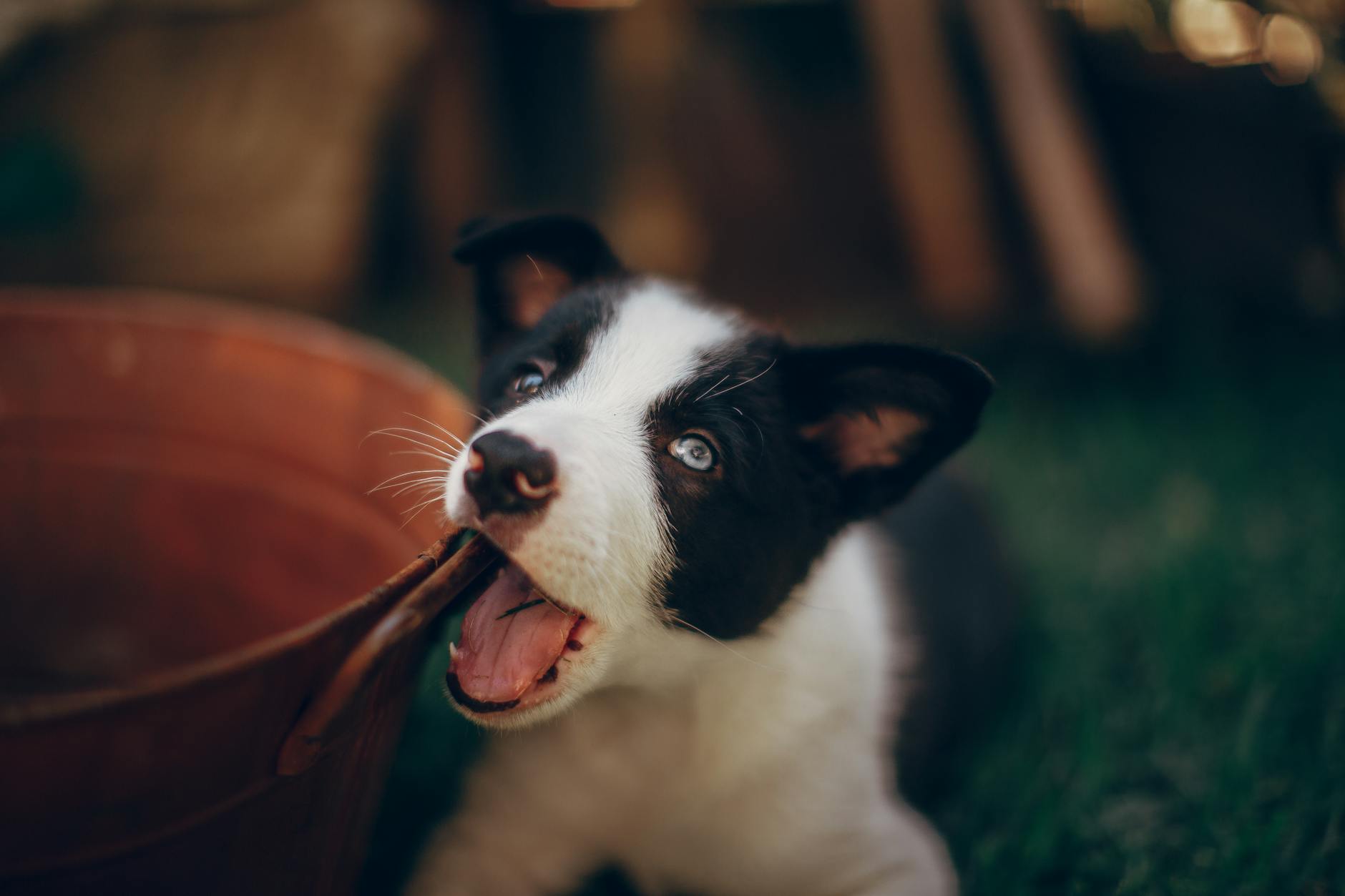

Why Dog Adventures in Australia Are Better with Safeguards
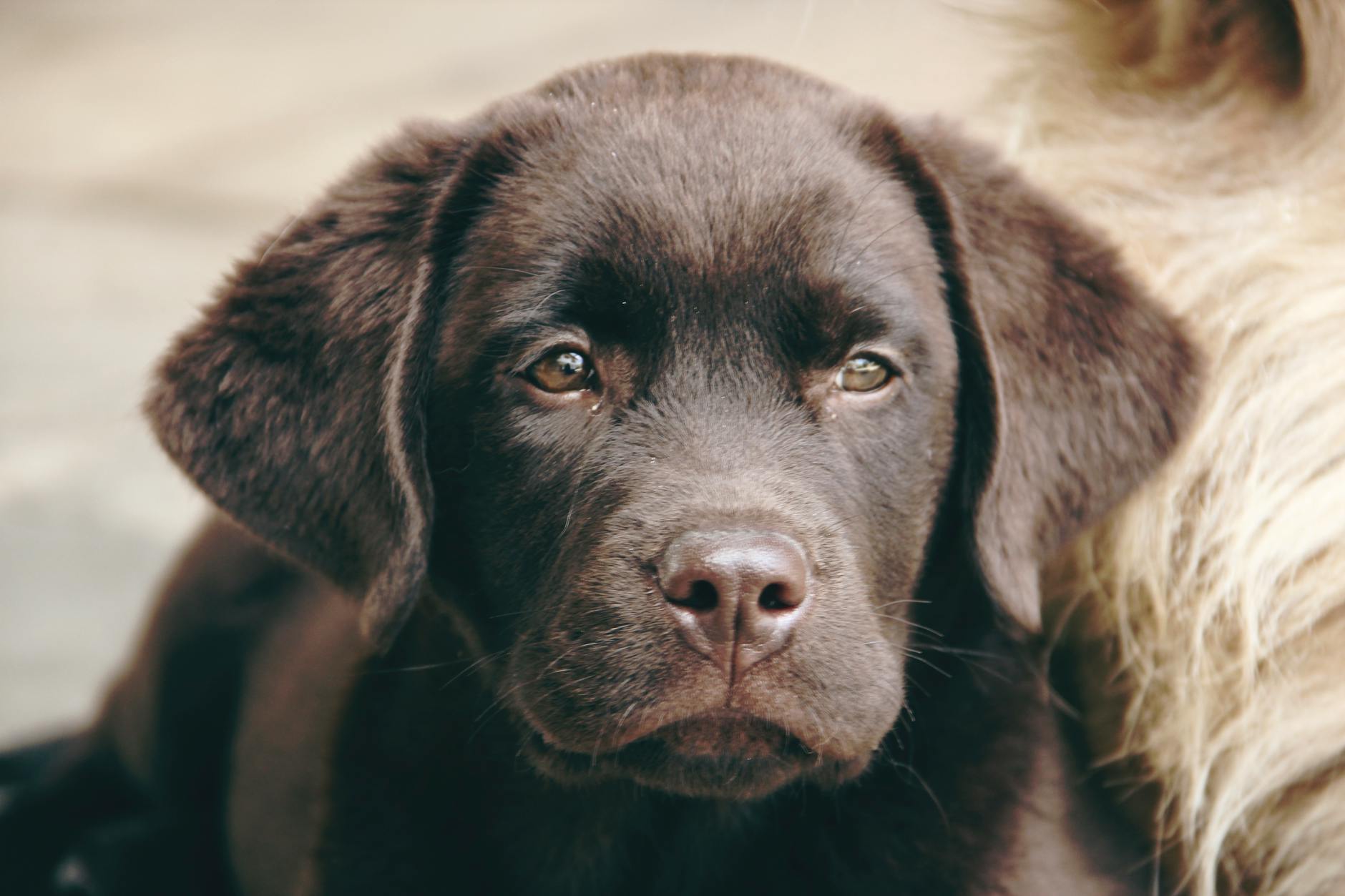
Essential Dog Adventure Gear
Planning a day out with your furry friend like Rosie in Brisbane can be thrilling, especially with so many pet-friendly places to explore such as South Bank Parklands. However, making sure you have the right gear is key. As someone who's consistently on the move, I know how essential it is to have reliable equipment.
Leashes and Harnesses
A sturdy leash and harness are must-haves for activities ranging from strolls along the Brisbane Riverwalk to hiking. When looking for the right harness, make sure it fits comfortably and securely so your dog doesn't slip out. Adjustable harnesses that offer multiple leash attachment points can provide better control, especially for energetic dogs like Australian Kelpies.
Portable Water Bowls
Ensure your pet stays hydrated with a portable water bowl. These collapsible bowls fit easily in your backpack and are perfect for outdoor adventures. Dehydration can affect your pet's health, so offering frequent water breaks is important, especially during warmer days exploring places like Kangaroo Point Cliffs Park.
Travel-Friendly Dog Beds
After a day full of adventures, a travel-friendly dog bed offers much-needed comfort for your pet. These beds are lightweight and easy to pack, ensuring a cosy spot for Rosie to relax whether you're camping or enjoying a long day in the park.
A well-prepared outing not only guarantees fun but also ensures the safety and comfort of your dog. It's all about making these adventurous experiences as enjoyable and hassle-free as possible. Incorporating useful tools like an invisible dog fence can keep Rosie within safe boundaries. Options for managing barking, such as barking collars, can make a significant difference during your adventures.
Training for Outdoor Safety
Recall Training Techniques
When heading out for an adventure with Rosie, recall training becomes indispensable. This means teaching your furry companion to come back to you immediately when called, a vital skill for exploring open spaces like South Bank Parklands. Start using simple commands with positive reinforcement, rewarding Rosie with praise or treats. Gradually increase the distance and distractions to make sure she responds reliably, even when tempted to chase after another dog or a squirrel.
Managing Excessive Barking
Dealing with Rosie's enthusiastic barks can be a challenge, especially if you're wandering through quiet areas of the Kangaroo Point Cliffs Park. It helps to identify triggers for her barking, whether it's other dogs, bicycles, or the excitement of unfamiliar smells. Using training collars dogs designed for gentle correction can aid in managing this behaviour. Pair it with consistent positive reinforcement strategies to redirect her focus and calm her down.
Socialization with Other Dogs
Exploring popular dog spots along the Brisbane Riverwalk is an excellent opportunity to socialise Rosie with other furry friends. Introduce her to various dogs in a controlled manner to help her build confidence and develop good manners. Keep an eye on her body language and gently intervene if she becomes overwhelmed. Be sure to have the right dog travel accessories on hand, such as treats or a favourite toy, to encourage positive interactions and reinforce her good behaviour.
By focusing on these aspects of outdoor safety training, you and Rosie can enjoy many exciting adventures while ensuring a safe and enriching experience.
Exploring Safeguard Options
GPS Tracking Devices
When planning a day out with your furry friend in Brisbane, like a refreshing walk along the Brisbane Riverwalk, it's crucial to ensure their safety with a GPS tracking device. These gadgets provide real-time tracking, letting you monitor your dog's location at all times. This technology is particularly beneficial during camping trips or explorations in less familiar areas.
Hidden Dog Fences
For those days spent in the backyard or at open sites, consider using a hidden dog fence as an effective safeguard. It secures your pet's area without visible barriers. These fences are popular because they maintain your yard's aesthetics while keeping energetic dogs like Rosie safely contained.
Bark Collars
Managing your dog's barking, especially in public places like South Bank Parklands, can be daunting. Bark collars are designed to help you control excessive barking without causing harm. With various settings, they can be adjusted according to your pet's needs, promoting peaceful outings for you and Rosie.
Each of these tools is designed to enhance security and ensure worry-free adventures with your pet. Tailor your choice to fit both Rosie's spirited personality and your adventurous lifestyle.
Best Practices for New Adventures
Choosing Safe Destinations
Embarking on a new adventure with your furry friend opens up a world of excitement and bonding moments, but safety should always come first. One meaningful way to ensure a secure trip is by carefully selecting your destinations. Opt for areas known for being pet-friendly and open terrains where your dog can roam without risk. Popular spots like the Brisbane Riverwalk or Kangaroo Point Cliffs Park are perfect places, offering expansive paths and beautiful scenery. Anti barking collar can be useful to manage noise levels in quieter spots.
Weather Considerations
Australia's climate can range from hot summers to unpredictable rain showers. Before heading out, check the weather forecast to prepare accordingly. If it looks like it's going to be a scorcher, ensure you and your dog have ample access to shade and water. Pack essentials like sunscreen for dogs and a comfortable gps dog tracking device to keep tabs on your explorative companion in case the weather turns.
Beginner Hiking Tips
For novice hikers, start with trails that match your fitness and experience level. With sites like South Bank Parklands providing a good mix of environments, they offer a perfect training ground for both you and your canine. Equipped with the right gear and mindset, you can teach your dog to navigate different trail types while ensuring their well-being. And don't forget to bring treats to reinforce positive behavior—a key factor when hiking with pups.
Avoiding Common Dog Adventure Pitfalls
Meeting Hydration Needs
It's super crucial to keep your furry friend hydrated, especially during those scorching hot Brisbane days. On our jaunts through the lush South Bank Parklands or when exploring the rugged beauty around Kangaroo Point Cliffs Park, I always bring a portable dog bowl filled with plenty of water. Feeling the sun's intensity, it’s easy for our pups to get dehydrated. I keep an eye out for signs of thirst, like excessive panting or drooling, to ensure they’ve got water handy.
Consistent Training is Key
When we're off adventuring, like trotting along the Brisbane Riverwalk, keeping our pups well-trained is essential for safety and enjoyment. I’ve learned the hard way that skipping regular training can lead to disobedience, especially in new settings. Practicing commands consistently, even in the bustling South Bank Parklands, helps my dog stay obedient amidst distractions. It’s all about reinforcing those behaviour so both of us can enjoy our outings worry-free.
Staying Alert to Wildlife
Brisbane is teeming with delightful wildlife, but it’s crucial to heed warnings to keep our dogs safe. Whether taking in the panoramic views at Kangaroo Point Cliffs Park or meandering down other scenic trails, I always watch for signs about local wildlife. Certain critters can pose risks, so I keep my eyes peeled and ensure my pup stays close. Being cautious protects my furry friend and lets us relish Brisbane's diverse fauna.